Management

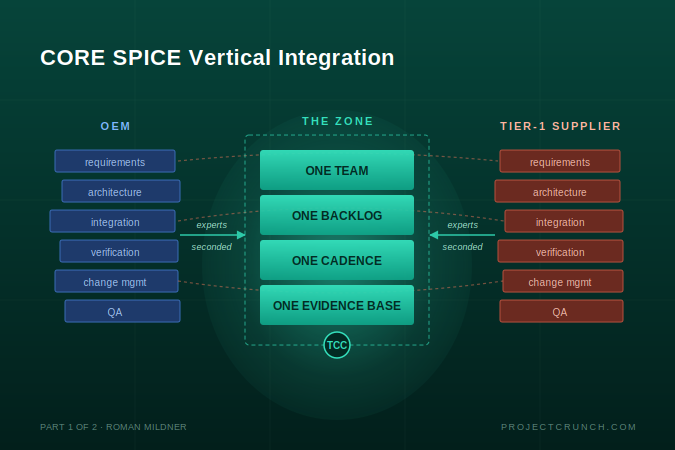
CORE SPICE Vertical Integration Part 2: Building a DMZ

In the first part of this series, I emphasized that the China-speed gap is caused by the OEM-supplier integration “tax,” and that the answer is to bridge this gap within a defined DMZ (figuratively “demilitarized zone”) for the duration of a single program rather than acquiring the supplier or using constructs such as joint ventures. That was the why. This article is the how, or at least the first half of it. Read…


Management

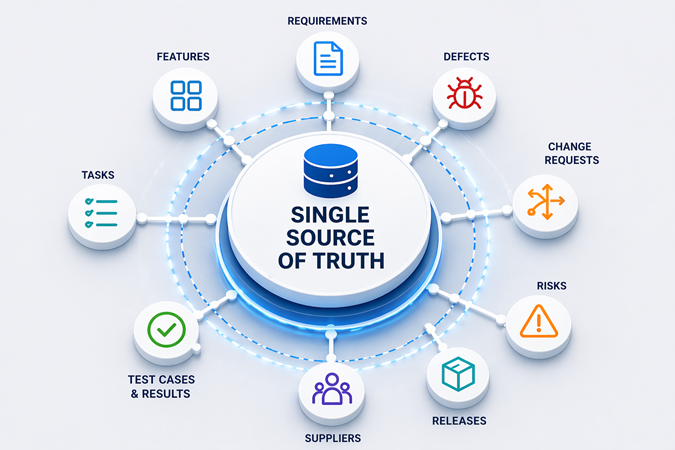
Your Project Needs Its Purpose Back.

In every distressed safety-critical program I have walked into over the decades, there is a moment of genuine insight. I sit down with the senior engineers and project leads—the people who actually know how the system works—and within twenty minutes, they tell me exactly what is wrong with the project and exactly what would fix it. Read…

Management

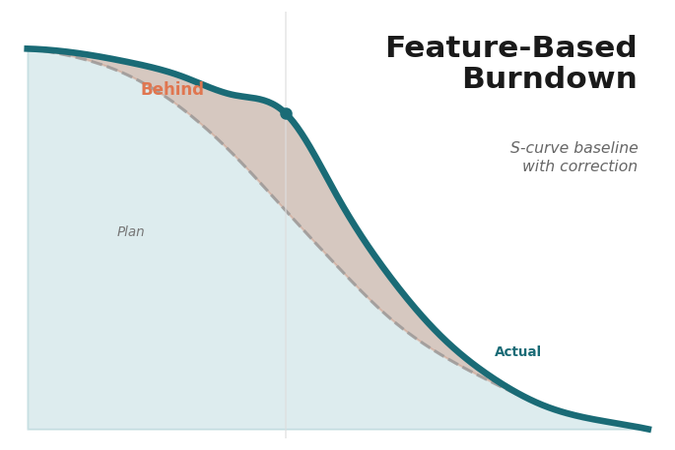
The Defect Curve: a Key Factor in Turning Around Distressed MtO Projects

In a distressed MtO project, the feature burndown shows whether the team is closing scope gaps. But there is a second dimension that the burndown does not capture: product quality. Features can be declared “done” while carrying unresolved defects that compound across releases and eventually lead to ugly customer escalations—or worse: field failures. That can result in shipping broken products—not because the team hasn’t worked hard on developing new features, but because product quality hasn’t been managed early on. Read…